For algorithmic traders, the ability to rapidly identify and react to market patterns is crucial. Manually scanning charts for formations like head and shoulders, flags, or divergences is time-consuming and prone to human error. This article focuses on automating advanced chart pattern recognition using Pine Script on TradingView, transforming manual analysis into systematic trading opportunities. By leveraging Pine Script’s capabilities, traders can develop sophisticated algorithms to detect complex patterns, backtest their efficacy, and integrate them into a broader automated trading framework, enhancing efficiency and consistency.
The Role of Chart Patterns in Algorithmic Trading
Chart patterns have long been a cornerstone of technical analysis, offering visual cues about potential price movements. Manually identifying these formations across multiple assets and timeframes is labor-intensive and prone to human error. Algorithmic trading seeks to eliminate these inefficiencies by systematically detecting patterns, enabling rapid and consistent decision-making. By automating this process, traders can scale their analysis, reduce latency in trade execution, and remove subjective biases that often impair discretionary trading outcomes. The goal is to translate human interpretation into machine-readable logic, ensuring every identified pattern is processed according to predefined rules, thus providing a robust foundation for systematic trading strategies. This shift from manual observation to automated detection enhances both the speed and reliability of market analysis.
- Overcome manual identification limitations across markets.
- Ensure consistent pattern detection logic.
- Reduce human bias in trade signaling.
- Increase analytical throughput for large datasets.
- Improve reaction time to evolving market conditions.
Why Pine Script for Pattern Automation on TradingView
TradingView has emerged as a dominant platform for market analysis, offering extensive charting tools and a vibrant community. At its core is Pine Script, a powerful yet accessible language specifically designed for developing custom indicators and strategies directly on the platform. Pine Script’s integration with TradingView’s real-time data and historical archives makes it an ideal environment for rapid prototyping and deployment of automated pattern recognition scripts. Its syntax is tailored for financial data manipulation, allowing traders to express complex conditions concisely. This combination facilitates an efficient workflow, from developing an idea to backtesting its performance, all within a single, user-friendly interface. Furthermore, Pine Script supports various built-in functions that streamline the process of accessing price data and performing common technical calculations, accelerating script development for automated pattern analysis.
- Seamless integration with TradingView’s charting and data.
- Simplified syntax for financial market logic.
- Rapid prototyping and backtesting environment.
- Access to extensive historical data and real-time feeds.
- Large community support and shared resources.
Developing Basic Chart Pattern Recognition Logic
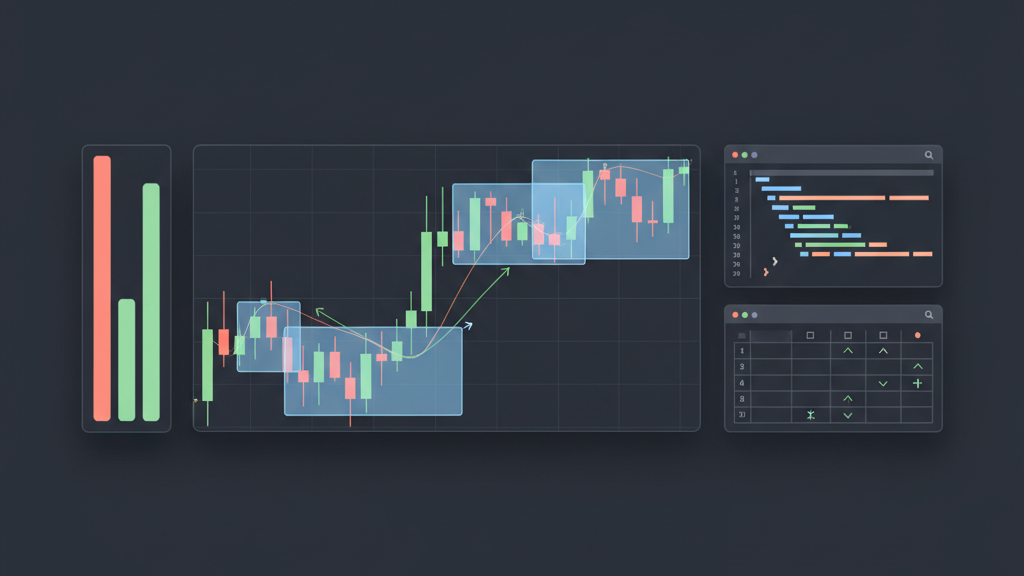
Translating a visual chart pattern into executable code requires a structured approach. For basic patterns, this involves defining specific price relationships and sequences over a set period. For instance, identifying a double top pattern involves detecting two distinct price peaks at similar levels, separated by an intermediate trough, all within a defined time window. Pine Script provides functions like `ta.pivothigh` and `ta.pivotlow` to identify significant turning points, which are foundational for constructing more complex pattern logic. Variables can store price levels, candlestick types, and volume data, allowing the script to evaluate multiple conditions simultaneously. This step-by-step translation from visual observation to conditional statements forms the backbone of any automated pattern detection system. Developers must focus on clear, unambiguous rules to avoid false positives or missed signals.
- Define specific price and volume conditions for patterns.
- Utilize Pine Script’s built-in pivot functions.
- Implement conditional logic (if/then) for pattern validation.
- Capture price extrema and intermediate fluctuations.
- Structure code for clear and maintainable pattern rules.
Advanced Techniques for Algorithmic Pattern Recognition
Moving beyond simple peak and trough detection, advanced algorithmic pattern recognition incorporates sophisticated methodologies to improve accuracy and predictive power. This includes employing statistical filters to confirm pattern validity, integrating volume profile analysis to gauge institutional interest, or applying multi-timeframe analysis to ensure confluence across different market perspectives. For instance, a basic head and shoulders pattern might be confirmed by a subsequent decline in volume on the right shoulder, or a strong support level identified on a daily chart could reinforce a pattern detected on an hourly chart. Machine learning approaches, though more complex to implement directly in Pine Script without external data, can inspire rule-based systems that adapt thresholds dynamically. These methods add layers of robustness, reducing noise and increasing the reliability of identified patterns, crucial for high-stakes algorithmic trading.
- Integrate volume and momentum indicators for confirmation.
- Apply multi-timeframe analysis for signal confluence.
- Implement dynamic thresholds for pattern validation.
- Utilize statistical methods to filter less reliable patterns.
- Incorporate machine learning principles for adaptive rule sets.
- Develop robust filters to reduce false positive signals.
Backtesting and Validating Automated Pattern Strategies
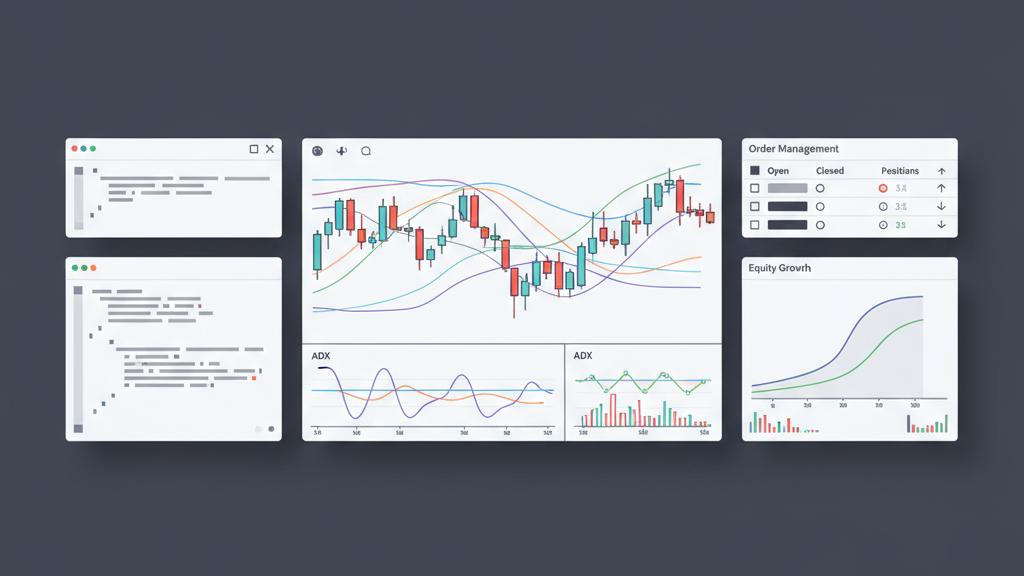
The true test of any automated pattern recognition strategy lies in its performance against historical data. TradingView’s strategy tester provides a comprehensive environment to backtest Pine Script code, offering critical metrics like profit factor, drawdown, and win rate. Thorough backtesting involves not just running the script once but performing sensitivity analysis on pattern parameters and conducting walk-forward testing to assess robustness over different market regimes. It is essential to avoid overfitting, where a strategy performs exceptionally well on past data but fails in live trading. This requires a balanced approach to parameter optimization and rigorous out-of-sample testing. Understanding the limitations of historical data and simulating realistic trading costs (slippage, commissions) are also vital for generating credible performance estimates, ensuring the strategy holds up under actual market conditions.
- Utilize TradingView’s strategy tester for performance evaluation.
- Analyze key metrics like profit factor and maximum drawdown.
- Conduct walk-forward testing to assess strategy robustness.
- Implement realistic slippage and commission costs.
- Optimize parameters judiciously to avoid overfitting.
- Validate pattern effectiveness across diverse market cycles.
Deploying and Managing Automated Chart Pattern Trading
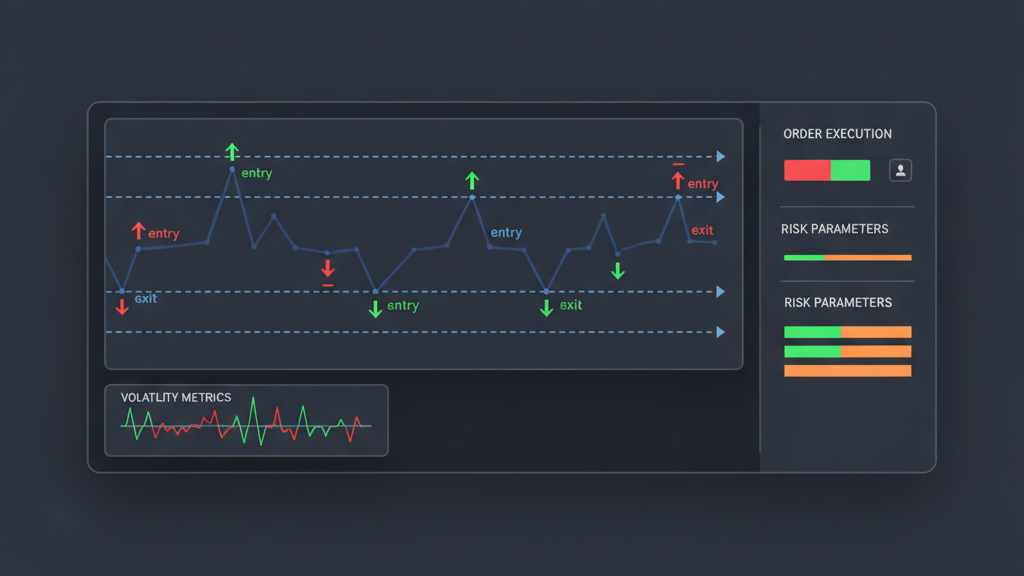
Once an automated pattern recognition strategy is thoroughly backtested and validated, the next phase involves deployment and ongoing management. Pine Script strategies on TradingView typically generate alerts that can be linked to third-party execution platforms or brokerage APIs, facilitating automated order placement. Establishing robust risk management protocols is paramount, including setting clear stop-loss levels, defining maximum daily losses, and implementing position sizing rules based on account equity. Continuous monitoring of the script’s performance in live market conditions is also crucial, as market dynamics can shift, rendering previously effective patterns less reliable. Regular review and potential recalibration of pattern parameters are necessary to maintain strategy efficacy. This systematic approach ensures that the automated trading system remains adaptive and resilient over time, preserving capital and capitalizing on identified market opportunities.
- Configure Pine Script alerts for external execution.
- Integrate with brokerage APIs for automated order placement.
- Implement strict risk management, including stop-losses.
- Define clear position sizing and capital allocation rules.
- Monitor live performance for concept decay.
- Periodically recalibrate pattern parameters for market changes.