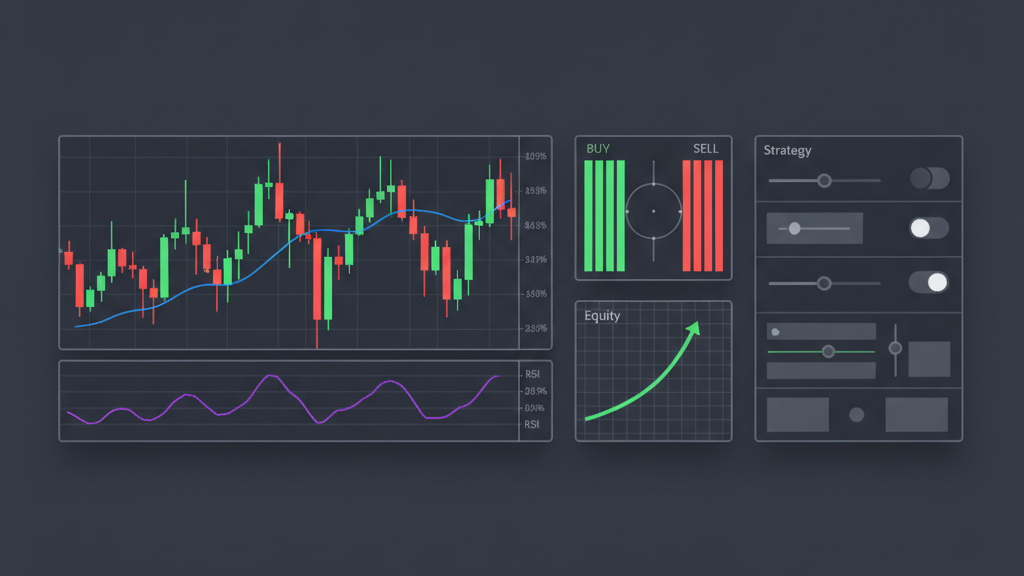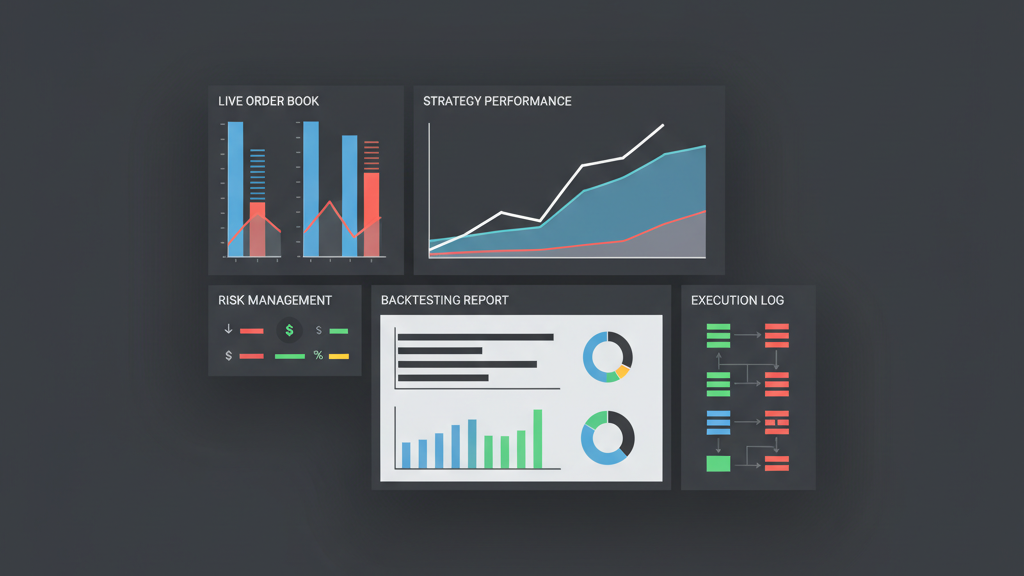
Developing effective algorithmic trading strategies requires more than just a brilliant idea; it demands robust, efficient, and well-structured trading scripts. The speed at which you can iterate, test, and deploy new strategies directly impacts your competitive edge. When we talk about accelerating algo trading strategy development, we’re really focusing on the engineering discipline behind the code. This isn’t about cutting corners, but rather about building a solid foundation that allows for rapid experimentation, reliable execution, and scalable system growth. Practical script writing involves understanding the full lifecycle from data ingestion to live order management, ensuring that each component is optimized for performance, maintainability, and resilience in a volatile market environment. It’s a continuous process of refinement, where efficient code facilitates quicker learning and adaptation, driving better trading outcomes.
Modular Script Design for Accelerated Iteration
Effective algo trading strategy development hinges on a modular script architecture. Breaking down a strategy into distinct, reusable components—such as signal generation, position sizing, order management, and risk controls—significantly accelerates development cycles. Instead of monolithic scripts, consider a framework where each module is a well-defined class or function with clear inputs and outputs. This approach allows developers to quickly swap out different components for testing new hypotheses, like trying a new entry signal with an existing exit logic, without rewriting the entire system. For instance, a `PositionManager` class can handle all open positions, while a `RiskMonitor` class enforces maximum drawdown limits or exposure caps across multiple strategies. This design philosophy not only speeds up initial strategy creation but also simplifies debugging and maintenance, as issues can often be isolated to specific modules rather than requiring a full system audit.
- Encapsulate common functionalities into distinct, testable classes or functions.
- Design modules for clear separation of concerns, e.g., data handling, signal generation, order execution.
- Leverage dependency injection patterns to make components easily swappable during testing.
- Maintain a library of proven, reusable modules to bootstrap new strategies quickly.
Integrating Robust Backtesting Workflows Seamlessly
Efficient trading script writing is inseparable from a robust backtesting framework. The goal is to move from idea to backtest result as quickly and reliably as possible. This means designing scripts that can seamlessly integrate with your backtesting engine, handling historical data feeds, simulating order fills, and providing comprehensive performance metrics. A common pitfall is writing scripts that perform well in backtesting but struggle in live environments due to overlooked factors like slippage, execution latency, or data look-ahead bias. Therefore, your backtesting environment should allow for realistic simulations, including variable latency models and accurate market microstructure. Structuring your strategy logic to accept simulated data during backtesting and live data during deployment, often through an adapter pattern, ensures consistency and reduces the effort required to transition from research to production. Automating the backtesting process with clear configuration management and output analysis tools further accelerates the strategy development pipeline.
Optimizing Execution Logic for Real-World Conditions
Beyond backtesting, the true test of a trading script lies in its execution. Efficient trading script writing includes meticulous attention to how orders are placed, monitored, and managed in live markets. This means anticipating and mitigating issues like API rate limits, network latency, partial fills, and exchange outages. Scripts should incorporate robust retry mechanisms for order submissions, intelligent order routing logic to minimize slippage, and comprehensive state tracking to prevent duplicate orders or missed fills. For example, when interacting with an exchange API, it’s critical to handle various response codes, implement exponential backoff for retries, and ensure idempotency for order placement calls. Furthermore, consider the impact of market microstructure; strategies designed for high-frequency trading require extremely low-latency execution paths and direct market access, while slower strategies might prioritize robustness and order aggregation over raw speed. The goal is to ensure your strategy’s intent is accurately translated into market actions, even under adverse conditions.
- Implement idempotent order submission logic to prevent unintended duplicate orders.
- Build in dynamic order routing capabilities to adapt to market conditions or broker availability.
- Design for asynchronous API interactions to avoid blocking the main strategy loop.
- Incorporate circuit breakers and kill switches for emergency market exit or strategy suspension.
Robust Error Handling and Observability in Production
An efficient trading script is not just one that works, but one that fails gracefully and provides clear insights when it does. Implementing robust error handling and observability features from the outset significantly accelerates debugging and maintains system stability. This involves comprehensive logging at different severity levels – debug, info, warning, error, critical – to capture every significant event, from data ingestion issues to order placement failures. Beyond basic logging, integrate metrics collection for key performance indicators (KPIs) like latency, order fill rates, and system uptime. Alerting mechanisms are crucial; set up notifications for critical errors, unexpected market events, or performance deviations. For instance, if an API call consistently times out or a critical data feed drops, the system should trigger an immediate alert to the operations team. This proactive approach to error management and system monitoring transforms reactive troubleshooting into a more predictable and manageable process, reducing downtime and protecting capital.
Leveraging Development Environments and Tooling
The choice and effective use of development environments and tooling play a critical role in accelerating algo trading strategy development. Modern Integrated Development Environments (IDEs) offer powerful features like intelligent code completion, integrated debugging, and refactoring tools that significantly boost developer productivity. Version control systems, primarily Git, are non-negotiable for managing code changes, collaborating with teams, and reverting to stable states. Furthermore, integrating continuous integration/continuous deployment (CI/CD) pipelines can automate testing and deployment, ensuring that new code is thoroughly validated before reaching production. Custom libraries built upon existing frameworks can abstract away common complexities, such as data normalization or specific broker API interactions, allowing developers to focus purely on the strategic logic. Tools for performance profiling are also essential to identify bottlenecks and optimize critical sections of code, ensuring that the script can meet its latency requirements under varying market loads. A well-curated development toolkit empowers quantitative developers to write, test, and deploy strategies with greater speed and confidence.
- Utilize advanced IDE features for faster coding, debugging, and code quality checks.
- Implement Git-based version control for collaborative development and reliable change tracking.
- Automate testing and deployment processes using CI/CD pipelines.
- Develop internal libraries to standardize common functions and reduce repetitive coding.